

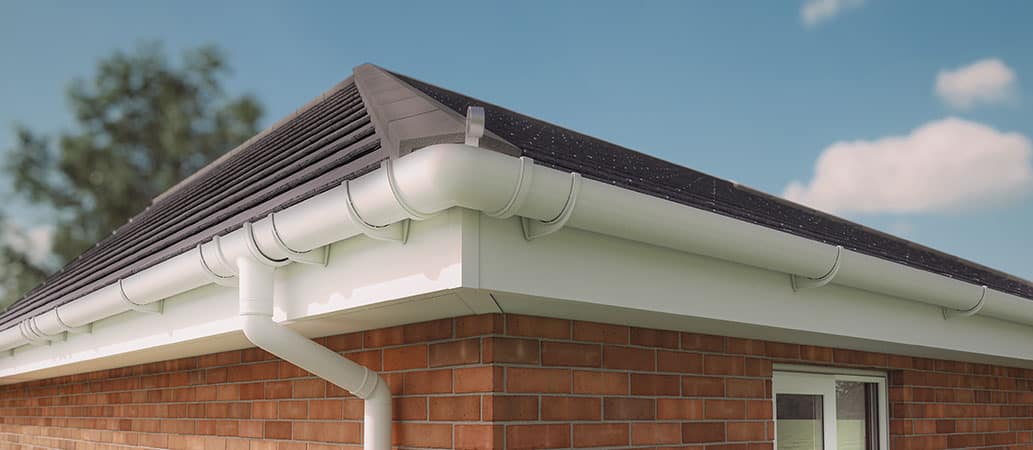
Soffit Installation: A Comprehensive Guide
Soffits are an often-overlooked yet crucial element of any roof system. They are the finishing touch that not only boosts the aesthetic appeal of a home but also serves several practical purposes-- ventilation, insect control, Fascia And Soffit Upgrades insulation. Whether you are a homeowner aiming to update your home or a contractor embarking on a brand-new project, comprehending the nuances of soffit installation is vital. In this article, we will look into the complexities of soffit installation, including numerous products, installation techniques, and typical FAQs.
What is a Soffit?
Before diving into the installation procedure, it's vital to clarify what a soffit is. The term "soffit" refers to the underside of any arch, beam, or overhanging eave. Usually, it is the board that closes off the location below the overhanging part of the roof. Soffits can be made from various materials, consisting of wood, vinyl, aluminum, and composite products. Each product has its pros and cons, which we'll elaborate on later on.
Why Install Soffits?
There are a number of reasons why soffit installation is vital:
- Ventilation: Proper soffit installation permits appropriate airflow in the attic, which assists manage temperature and humidity levels.
- Protection: Soffits safeguard the rafters of the home from moisture and pest intrusion.
- Looks: A properly designed soffit provides your home a polished, finished appearance.
- Value Addition: Homes with well-kept soffits often have greater resale worths.
Kinds Of Soffit Materials
When picking a soffit material, it's vital to consider both looks and performance. Here's a comparison table of the most typical materials used for soffit installation:
| Material | Durability | Maintenance | Cost | Aesthetic Appeal |
|---|---|---|---|---|
| Wood | Moderate | High | Moderate | High |
| Vinyl | High | Low | Low | Moderate |
| Aluminum | Really High | Low | Moderate | Moderate |
| Composite | High | Low | High | High |
Wood Soffits
- Pros: Beautiful look, personalized
- Cons: Requires routine Eaves Maintenance, prone to rot and bugs
Vinyl Soffits
- Pros: Low maintenance, resistant to moisture
- Cons: Limited color choices, can end up being brittle in severe weather condition
Aluminum Soffits
- Pros: Highly long lasting, does not rust or rust
- Cons: Can be more costly, can damage quickly
Composite Soffits
- Pros: Durable and visually pleasing
- Cons: Generally more costly than other products
Tools and Materials Needed
Before beginning the soffit installation procedure, Replacement Fascia Boards guarantee you have the following tools and materials:
Tools
- Determining Tape
- Miter Saw
- Drill and Drill Bits
- Level
- Safety Glasses
- Ladder
- Caulking Gun
- Energy Knife
Materials
- Soffit Panels (pick your preferred material)
- Soffit Vents (if needed)
- Fasteners (nails, screws)
- Caulk (for sealing spaces)
Soffit Installation Steps
Action 1: Measure the Area
Accurate measurements are important for a successful installation. Procedure the length and width of the location where the soffit will be set up.
| Measurement | Description |
|---|---|
| Length | Overall length of the eave |
| Width | Range from the wall to the external edge of the roof |
Action 2: Choose the Right Soffit Material
Based on your budget plan, climate, and aesthetic preferences, choose the most ideal soffit product.
Action 3: Prepare the Area
- Remove any old soffits or particles.
- Make sure the area is clean and dry.
Step 4: Install Soffit Vents (if applicable)
- Depending on your attic ventilation requires, you might require to set up soffit vents. Follow the manufacturer's instructions for vent placement.
Step 5: Cut the Soffit Panels
Utilizing a miter saw, cut your soffit panels to the appropriate size. Be mindful and use safety equipment.
Step 6: Attach the Soffit Panels
- Start from one end of the eave and work your method to the other.
- Use suitable fasteners to protect the panels, ensuring they are level.
Step 7: Seal Any Openings
Usage caulk to seal any spaces between the soffit panels and the wall to prevent moisture intrusion.
Step 8: Inspect Your Work
As soon as all panels are installed, verify for any visible spaces or misalignments. Make necessary modifications.
FAQs About Soffit Installation
1. How do I know if I require to replace my soffits?Signs to search for include peeling paint, visible rot, or holes triggered by insects. 2. Are vinyl soffits better than wood?Vinyl soffits are
normally lower maintenance and more resistant to moisture compared to wood. 3. Can I install soffits by myself?Yes, if you are comfortable using basic tools and follow security preventative measures. Nevertheless, having a helper can simplify the process. 4. What ought to I do if I discover mold in my soffits?Remove and replace the afflicted areas, and investigate the source of moisture to prevent future development. 5. How often should I examine my soffits?It's
suggested to inspect your soffits at least once a year, specifically after serious weather condition conditions.
Soffit installation not only improves the appeal of a home but likewise plays an important function in protecting it from the aspects. Whether you select wood, vinyl, aluminum, or composite materials, comprehending the installation process and preserving appropriate ventilation is vital. Following the steps described in this guide can assist guarantee that your soffits are set up properly, supplying both performance and style for years to come. As constantly, if in doubt, speak with a professional to ensure the best results.