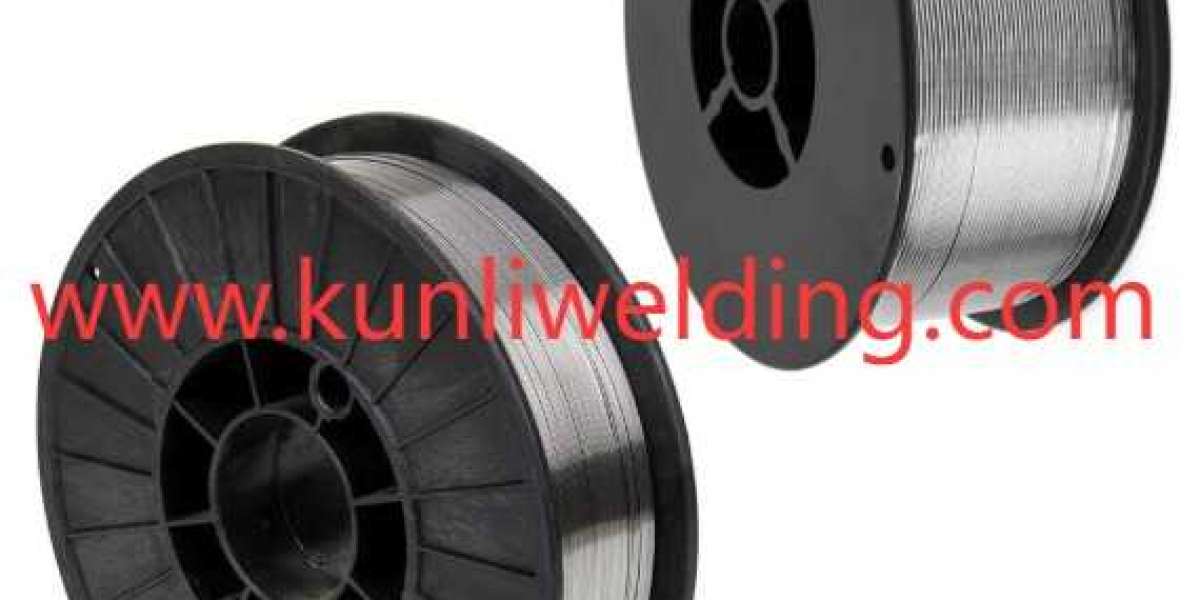

Critical applications in aviation, space exploration, and high-purity manufacturing demand aluminum welding consumables meeting exceptionally rigorous standards that general purpose filler metals cannot satisfy. Fabricators serving these specialized sectors require materials with documented traceability, stringent composition controls, and certifications proving compliance with industry specifications. Aluminum TIG Wire Suppliers serving demanding markets implement quality systems and testing protocols far exceeding standard industrial requirements, though identifying and qualifying these specialized sources requires understanding unique procurement considerations for critical applications.
Certification requirements for aerospace and high-purity applications typically mandate third party testing verification, full chemical composition documentation, and manufacturing traceability linking specific wire lots to production conditions. Standard material test reports accompanying general industrial wire prove inadequate for critical applications requiring certified heat analysis, mechanical property verification, and documentation of manufacturing processes. Suppliers serving specialized markets invest in quality infrastructure supporting these documentation demands.
Material purity levels in specialized wire exceed standard industrial grades through enhanced manufacturing controls and contamination prevention measures. Critical applications may specify maximum allowable levels for trace elements that standard specifications ignore or address only broadly. Achieving these purity targets requires specialized melting practices, controlled atmosphere processing, and rigorous cleanliness protocols throughout manufacturing operations.
Manufacturing facility qualifications represent another consideration distinguishing specialized suppliers from general industrial sources. Aerospace and high-purity applications often require suppliers holding specific certifications demonstrating quality system compliance and manufacturing capability. These qualifications involve extensive audits, documentation reviews, and ongoing surveillance ensuring continued compliance with demanding standards.
Testing capabilities within supplier organizations affect their suitability for critical applications since comprehensive analytical equipment enables verification of material properties and composition. Suppliers operating dedicated metallurgical laboratories can provide detailed test data supporting material qualification and ongoing quality assurance. This internal testing capability supplements third party certification while enabling rapid investigation when quality questions arise.
Procurement lead times for specialized materials typically exceed standard industrial wire availability since smaller production volumes and enhanced quality procedures require extended manufacturing cycles. Critical application users must plan procurement activities accounting for these longer timelines, maintaining adequate inventory buffers preventing production delays when replenishment takes weeks rather than days.
Pricing structures for specialized wire reflect the significant quality infrastructure, testing requirements, and documentation overhead these materials demand. Critical application users should expect substantial premiums over standard industrial wire, recognizing that enhanced quality systems and rigorous controls justify higher costs. Attempting to economize through standard grade substitution proves false economy when resulting quality problems compromise critical assemblies.
Technical support capabilities distinguish specialized suppliers through deep application knowledge and engineering expertise addressing demanding fabrication challenges. Suppliers serving critical markets employ technical personnel familiar with unique requirements and capable of recommending appropriate materials, welding procedures, and quality verification approaches. This technical partnership proves valuable when developing new products or addressing unexpected fabrication challenges.
Supply chain security considerations affect specialized material sourcing since critical applications cannot tolerate supply disruptions. Establishing relationships with multiple qualified suppliers provides backup options should primary sources encounter capacity constraints or quality issues. However, qualifying alternate suppliers requires substantial effort and time investment that must occur proactively rather than during supply emergencies.
Regulatory compliance knowledge within supplier organizations helps navigate complex requirements governing critical application materials. Suppliers experienced with aerospace and high-purity markets understand applicable regulations, maintain required registrations, and provide documentation supporting customer compliance obligations. This regulatory expertise proves valuable for fabricators navigating unfamiliar compliance landscapes.
Quality agreement development formalizes expectations and responsibilities between fabricators and specialized material suppliers. These detailed documents specify composition requirements, testing protocols, documentation standards, and problem resolution procedures. Investing effort in comprehensive quality agreements prevents misunderstandings while establishing clear frameworks for managing the supplier relationship.
Vendor qualification procedures within fabrication organizations verify that potential suppliers meet internal standards before approving them for critical material supply. Qualification typically involves facility audits, sample testing, documentation reviews, and small scale trial orders before authorizing full production purchases. This systematic qualification protects fabricators from inadequate suppliers while building confidence in approved sources.
Long term relationship development with qualified specialized suppliers creates stability and mutual understanding beneficial for both parties. Consistent business volumes justify supplier investments in maintaining qualifications and capabilities while fabricators gain preferred customer status facilitating responsive service during challenging situations. These partnerships prove more valuable than purely transactional relationships focused solely on pricing.
Industry associations and trade organizations provide networking opportunities connecting fabricators with specialized suppliers serving critical markets. Conference attendance, technical committee participation, and industry directory consultations help identify potential suppliers with appropriate capabilities. These industry connections facilitate initial supplier identification though thorough qualification remains necessary before purchase commitments.
Distributor networks sometimes carry specialized materials though direct manufacturer relationships often prove more effective for critical applications. Distributors add convenience through local inventory and consolidated purchasing but may lack the deep technical knowledge and direct manufacturing access that direct relationships provide. Evaluating whether distributor or direct purchasing better serves specific needs depends on volume requirements, technical support expectations, and supply chain preferences.
Reference checking through industry contacts provides insights into supplier reliability and quality performance beyond what formal presentations reveal. Discussing experiences with others using specialized materials uncovers potential concerns or confirms supplier capabilities through independent perspectives. This informal due diligence supplements formal qualification activities while building confidence in sourcing decisions. Organizations requiring specialized aluminum welding materials for critical applications benefit from comprehensive supplier evaluation addressing quality systems, testing capabilities, and regulatory compliance expertise. Exploring detailed product specifications and certification options for demanding applications, visit https://www.kunliwelding.com/product/ . Systematic supplier qualification and relationship development creates reliable material sources supporting consistent quality in aerospace and high-purity fabrication operations.