
Why Email Deliverability Matters
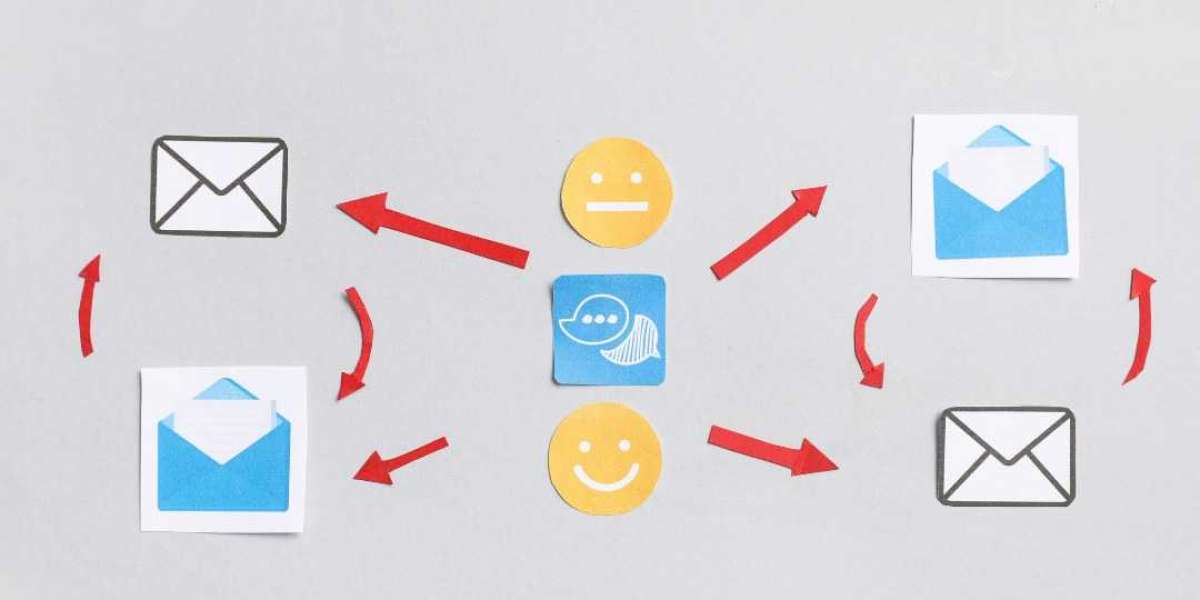
Email deliverability is the cornerstone of successful campaigns. When messages don’t reach the intended inbox, your efforts are wasted, and your reputation can suffer. One of the most effective ways to reduce email bounce rates is to focus on deliverability from the start. Ensuring that your emails consistently reach recipients requires attention to list hygiene, content quality, and sender credibility.
Identifying Types of Bounces
Understanding bounces is critical for improving email performance. Hard bounces indicate permanently invalid addresses, such as misspelled domains or deactivated accounts. Soft bounces occur due to temporary issues, including full inboxes, server downtime, or message size limits. Differentiating these helps marketers decide whether to retry sending or remove an address from their list, keeping bounce rates under control.
Maintaining a Healthy Email List
A clean email list prevents unnecessary bounces. Regularly remove invalid, inactive, or outdated addresses. Segmenting your list by engagement ensures that only interested subscribers receive campaigns, reducing the chance of bounces. Validating new sign-ups and using double opt-ins also helps maintain list quality. Over time, this practice strengthens deliverability and protects sender reputation.
Using Email Verification Services
Email verification tools can check addresses before sending campaigns. They detect invalid, disposable, or role-based emails that are more likely to bounce. Implementing verification reduces wasted effort, improves engagement metrics, and safeguards your sender reputation. Many services also integrate directly with email platforms for seamless automation.
Segmenting Recipients for Relevance
Audience segmentation improves relevance, which reduces bounces. Categorizing recipients by behavior, purchase history, or location allows for tailored messaging. Engaged subscribers are less likely to bounce and more likely to interact with your content. Segmentation also enables re-engagement campaigns targeted at less active subscribers to either revive them or safely remove them.
Crafting Engaging and Compliant Content
Emails with poor formatting, heavy attachments, or spammy language are more prone to bouncing. Focus on clear, concise messaging that adds value. Personalization increases engagement, while adherence to email compliance standards (like CAN-SPAM and GDPR) prevents messages from being flagged. High-quality content is more likely to reach the inbox consistently.
Protecting Your Sender Reputation
A strong sender reputation is essential for avoiding bounces. High complaint rates, excessive bounces, or sending to unengaged users can harm credibility. Implement authentication protocols such as SPF, DKIM, and DMARC to prove legitimacy to servers. Regular monitoring of reputation metrics ensures that your emails are trusted by ISPs and reach intended recipients.
Routine List Cleaning Practices
Routine cleaning removes inactive or problematic addresses. Periodically auditing your list ensures that only valid and engaged subscribers remain. This practice reduces bounce rates, increases open and click-through rates, and strengthens overall campaign performance. It also minimizes the risk of being flagged as a spammer.
Monitoring Bounce Reports for Insights
Analyzing bounce reports provides insight into why emails fail. Soft bounces may be retried, while hard bounces require removal. Understanding bounce causes helps refine sending practices and improves long-term deliverability. Reporting also highlights issues with specific domains or ISP filters that may require adjustments.
Automating Email Campaigns
Automation ensures consistent and targeted communication. By automating verification, segmentation, and engagement workflows, marketers can reduce manual errors that lead to bounces. Automated re-engagement sequences help maintain list quality, while drip campaigns nurture leads without overwhelming servers.
Optimizing Send Frequency and Timing
Overloading recipients with emails increases the risk of bounces and unsubscribes. Optimizing send frequency and timing based on user behavior improves engagement. Testing different schedules helps identify the ideal cadence, which maintains deliverability and reduces the likelihood of messages bouncing due to ISP throttling or spam filters.
Leveraging Feedback Loops
Many email platforms offer feedback loops that notify senders of complaints or bounces. Utilizing this data allows marketers to quickly address issues, remove problematic addresses, and refine messaging strategies. Feedback loops are essential for maintaining a healthy email program and sustaining low bounce rates.
Testing Before Large Campaigns
Small-scale tests can identify issues that may cause bounces in large campaigns. Test emails for formatting, content, links, and attachments. Deliverability testing tools can simulate inbox placement across providers, highlighting potential problems. Continuous testing ensures higher inbox success rates and fewer bounces.
Educating Subscribers
Subscriber education reduces accidental bounces. Encourage users to whitelist your domain, update their contact information, and engage with your content regularly. Clear communication about email frequency and content type also helps manage expectations and improves engagement rates.
Choosing the Right Email Service Provider
A reliable email service provider (ESP) supports list management, bounce handling, and reporting. ESPs with robust infrastructure and deliverability expertise ensure that your campaigns reach intended recipients efficiently. Choosing a trusted ESP reduces operational overhead while improving email performance metrics.
Tracking Engagement Metrics Long-Term
Beyond individual campaigns, tracking trends in bounces, opens, clicks, and conversions provides valuable insights. Historical data allows marketers to adjust strategies, improve targeting, and maintain strong deliverability. Continuous analysis ensures sustained low bounce rates and a healthy email program.
Conclusion Paragraph (Integrated Naturally)
Reducing email bounce rates is not a one-time task but a continuous process that combines strategy, tools, and attention to detail. Maintaining a clean list, using verification tools, segmenting audiences, and crafting engaging content are all critical steps. Automation, monitoring, and testing further enhance deliverability. By consistently applying best practices and protecting sender reputation, businesses can achieve higher inbox placement, stronger engagement, and sustainable email marketing success.