The Ultimate Guide to Power Tools: Efficiency, Safety, and Selection
Power tools have actually revolutionized the method we approach numerous jobs, from woodworking to home enhancement and beyond. Whether you are a professional contractor or a DIY lover, understanding the ins and outs of power tools is essential. This post will cover important aspects of power tools, including types, functions, safety tips, and a detailed FAQ section.
What Are Power Tools?
Power tools are machines or devices that are triggered by an external source of power, such as electricity, batteries, or Drill Discount compressed air. Unlike manual tools, which require physical effort to operate, power tools significantly decrease the labor involved, making jobs such as cutting, drilling, and sanding faster and simpler.
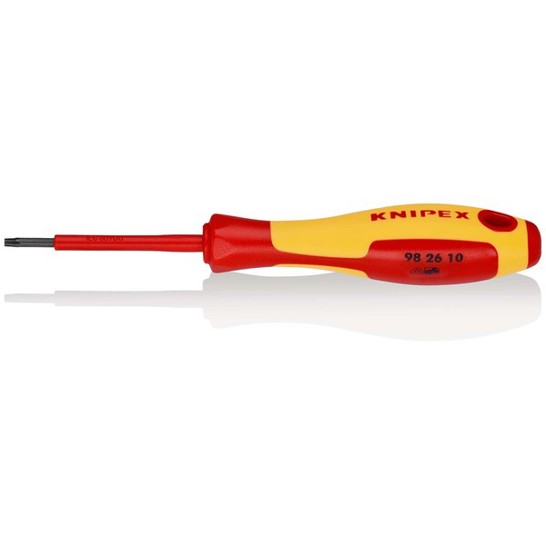
Kinds Of Power Tools
Power tools can be classified into a number of types based on their performance:
| Type | Example | Description |
|---|---|---|
| Drills | Cordless/corded drill | Utilized for making holes in numerous materials and can likewise drive screws. |
| Saws | Circular saw, jigsaw | Made use of for cutting through wood, metal, and other materials. |
| Sanders | Orbital sander | Developed to smooth surfaces by removing product using abrasive sheets. |
| Grinders | Angle mill | Best for grinding, cutting, and polishing various products. |
| Impact Drivers | Cordless impact driver | Suitable for driving long screws and fasteners into difficult materials. |
| Nailers | Finish, brad nailer | Used to drive nails into wood without the need for a hammer. |
| Vacuum Cleaners | Shop vacuum | Developed for getting particles, wood shavings, bohrmaschine kaufen [kanban.xsitepool.tu-freiberg.de] and dust during tasks. |
| Compressors | Air compressor | Supplies compressed air to power pneumatic tools. |
Key Features to Consider
When investing in power tools, specific features can improve efficiency and use. Here's a list of vital functions to consider:
Power Source: Choose between corded and cordless alternatives based on your job needs. Corded tools offer continuous power however may restrict movement, while cordless designs offer flexibility.
Motor Power: Look for tools with powerful motors (determined in amps for corded tools, volts for cordless) for improved performance.
Variable Speed: Tools with variable speed settings enable higher control over the job at hand.
Weight and Design: Ergonomic designs and light-weight tools can reduce user tiredness and enhance general comfort throughout operation.
Safety Features: Consider tools with integrated safety functions like blade guards, car shut-off, and safety switches.
Safety Tips for Using Power Tools
While power tools offer tremendous advantages, safety must always be the top priority. Here are some important security tips to bear in mind:
Read the Manual: Familiarize yourself with the tool's manual before operating to comprehend its functions and security precautions.
Wear Personal Protective Equipment (PPE): Always use appropriate gear, consisting of security goggles, gloves, and hearing defense.
Analyze Your Workspace: Ensure the work space is clean and complimentary of threats before beginning.
Examine Tools Before Use: Inspect the power tool for damage or wear, such as frayed cables or Bohrmaschine Rabatt dull blades.
Utilize the Right Tool for the Job: Avoid improvisation; make use of the suitable power tool for the particular job.
Maintain Proper Posture: Stand securely and preserve balance while operating tools to minimize the risk of injury.
Power Tool Maintenance
Correct maintenance is vital for guaranteeing the longevity and efficiency of power tools. Here's a list of upkeep pointers:
Regular Cleaning: Clean tools after each usage to get rid of dust and particles that can affect performance.
Blade Sharpening: Keep cutting blades sharp for optimum efficiency.
Lubrication: Regularly oil moving parts to lessen friction and wear.
Battery Care: For cordless tools, guarantee batteries are charged correctly and stored appropriately to prolong their life-span.
Assessment: Perform regular evaluations for any signs of wear or damage.
Regularly Asked Questions (FAQ)
1. What power tools should every DIYer have?
Every DIYer should consider having a drill, circular saw, sander, and a multi-tool. These flexible tools can deal with a wide array of tasks.
2. How do I choose the ideal power tool for my project?
Think about the material you'll be working with, the kind of work you require to achieve, and whether you require portability. Read reviews and specifications of various tools.
3. Are cordless tools as powerful as corded ones?
While improvements in battery technology have enhanced the power of cordless tools, corded tools generally supply continuous power and often have greater power ratings.
4. How typically should I carry out maintenance on power tools?
Maintenance frequency may depend upon use but usually check tools month-to-month or after numerous uses to assess their condition.
5. What safety equipment should I use with power tools?
Vital security devices consists of safety goggles, hearing defense, gloves, dust masks, and steel-toed boots.
Power tools are invaluable possessions in any workshop or construction site, enhancing tasks and increasing efficiency. Understanding the different kinds of power tools, their features, Bohrmaschinen and maintenance concepts will ensure that users can maximize their tool usage safely and efficiently. By sticking to security guidelines and bearing in mind their responsibilities, users can delight in the advantages of power tools to their fullest extent. Whether you're a skilled professional or a beginner DIY lover, a strong grasp of power tool understanding will certainly enhance your tasks and security experience.