

In the sterile corridors of Birmingham Women's and Children's NHS Foundation Trust, a young man named James Stokes navigates his daily responsibilities with subtle confidence. His oxford shoes whisper against the floor as he greets colleagues—some by name, others with the familiar currency of a "hello there."
James carries his identification not merely as a security requirement but as a testament of belonging. It hangs against a neatly presented outfit that betrays nothing of the tumultuous journey that led him to this place.
What sets apart James from many of his colleagues is not immediately apparent. His presence gives away nothing of the fact that he was among the first beneficiaries of the NHS Universal Family Programme—an initiative created purposefully for young people who have experienced life in local authority care.
"It felt like the NHS was putting its arm around me," James says, his voice controlled but revealing subtle passion. His observation encapsulates the essence of a programme that seeks to reinvent how the vast healthcare system approaches care leavers—those often overlooked young people aged 16-25 who have transitioned from the care system.
The statistics reveal a challenging reality. Care leavers often face poorer mental health outcomes, economic uncertainty, accommodation difficulties, and reduced scholarly attainment compared to their peers. Behind these cold statistics are human stories of young people who have navigated a system that, despite best intentions, regularly misses the mark in delivering the nurturing environment that molds most young lives.
The NHS Universal Family Programme, launched in January 2023 following NHS England's promise to the Care Leaver Covenant, signifies a profound shift in institutional thinking. At its core, it acknowledges that the complete state and civil society should function as a "collective parent" for those who haven't experienced the stability of a typical domestic environment.
Ten pioneering healthcare collectives across England have blazed the trail, establishing systems that rethink how the NHS—one of Europe's largest employers—can extend opportunities to care leavers.
The Programme is meticulous in its approach, starting from comprehensive audits of existing policies, establishing oversight mechanisms, and obtaining executive backing. It acknowledges that effective inclusion requires more than good intentions—it demands concrete steps.
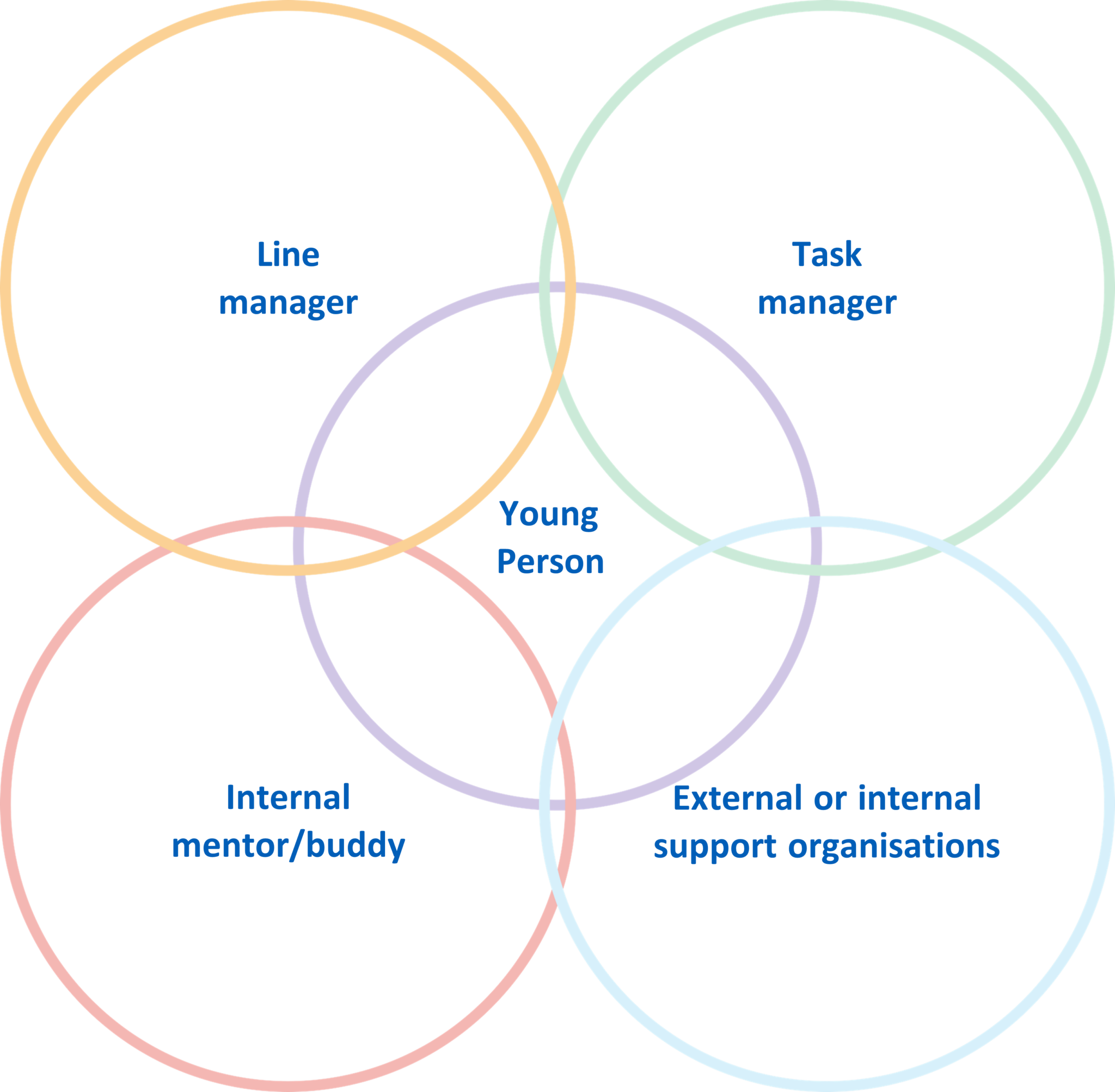
In NHS Birmingham and Solihull ICB, where James started his career, they've developed a reliable information exchange with representatives who can provide assistance and counsel on personal welfare, HR matters, recruitment, and inclusivity efforts.
The standard NHS recruitment process—structured and often daunting—has been thoughtfully adapted. Job advertisements now focus on character attributes rather than numerous requirements. Application processes have been redesigned to address the particular difficulties care leavers might face—from missing employment history to struggling with internet access.
Perhaps most significantly, the Programme recognizes that entering the workforce can present unique challenges for care leavers who may be navigating autonomy without the backup of parental assistance. Issues like travel expenses, identification documents, and banking arrangements—taken for granted by many—can become substantial hurdles.
The elegance of the Programme lies in its meticulous consideration—from explaining payslip deductions to providing transportation assistance until that essential first salary payment. Even ostensibly trivial elements like coffee breaks and professional behavior are deliberately addressed.
For James, whose professional path has "changed" his life, the Programme offered more than work. It offered him a feeling of connection—that intangible quality that develops when someone feels valued not despite their background but because their particular journey enriches the workplace.
"Working for the NHS isn't just about doctors and nurses," James observes, his gaze showing the quiet pride of someone who has secured his position. "It's about a family of different jobs and roles, a team of people who really connect."

The NHS Universal Family Programme embodies more than an work program. It stands as a powerful statement that organizations can evolve to welcome those who have experienced life differently. In doing so, they not only alter individual futures but enhance their operations through the unique perspectives that care leavers provide.
As James moves through the hospital, his involvement subtly proves that with the right support, care leavers can flourish in environments once considered beyond reach. The support that the NHS has provided through this Programme represents not charity but acknowledgment of untapped potential and the essential fact that everyone deserves a family that supports their growth.